
Animated stretch preview.
Heel Raises
Step-by-step instructions
- 1Set up with wall close enough that you do not have to reach or rush once the stretch starts.
- 2Hold a wall or chair, rise onto the balls of both feet, then lower your heels slowly.
- 3Rest your hands lightly on a wall for balance. Press up onto the balls of both feet, lifting your heels, then lower slowly. Move with control.
- 4Hold the stretch for about 30 seconds while breathing slowly, then release gradually and notice how calves feels before repeating or switching sides.
Rest your hands lightly on a wall for balance. Press up onto the balls of both feet, lifting your heels, then lower slowly. Move with control.
Description
Older adult performing bilateral heel raises at a wall for calf strength and ankle stability, calm studio.
Benefits
- A focused calves stretch that gently opens calves, ankles, and balance through a clear, repeatable setup you can groove in minutes.
- Supports ankle and foot mobility for walking, running, stairs, and squats.
- Builds everyday mobility in the calves, so reaching, posture, and daily movement start to feel easier and less restricted.
- Slots into short routines — the working time is about 1 minute, perfect for a warm-up, a desk break, or a cooldown.
Tips for a better stretch
- Breathe slow and steady, and ease off the range the moment calves starts to guard or grip.
- Use wall for support rather than forcing a deeper shape — control beats intensity every time.
- Keep ankles relaxed so the stretch stays a release instead of turning into a bracing exercise.
- Aim for a clear but comfortable stretch you could hold and breathe through, not a sharp or maximal pull.
Common mistakes to avoid
- Letting the foot collapse or bouncing through the ankle.
- Bouncing, yanking, or trying to force the stretch to feel intense right away.
- Holding your breath or tensing the jaw, hands, and belly while you stretch.
- Ignoring numbness, tingling, dizziness, sharp pain, or joint pinching instead of backing off.
When to skip or modify
- Skip or modify this stretch if it reproduces sharp pain, numbness, tingling, dizziness, or symptoms that travel away from the stretched area.
- Get qualified medical guidance before stretching around recent injuries, surgery, unexplained swelling, severe pain, or diagnosed conditions that limit movement.
FAQ
Heel Raises questions
How do you do the Heel Raises?
Hold a wall or chair, rise onto the balls of both feet, then lower your heels slowly. Rest your hands lightly on a wall for balance. Press up onto the balls of both feet, lifting your heels, then lower slowly. Move with control. Hold for about 30 seconds, breathing slowly, then release and repeat or switch sides.
What does the Heel Raises stretch?
It mainly targets the calves, ankles, and balance. Supports ankle and foot mobility for walking, running, stairs, and squats.
How long should I hold the Heel Raises?
Hold for roughly 30 seconds per side while breathing slowly, and repeat two or three times only while it stays comfortable and pain-free.
Is the Heel Raises safe for seniors and beginners?
Yes, when it is done gently. Keep the range small, use a wall, chair, strap, or towel for support, and stop if you feel sharp pain, numbness, tingling, or dizziness.
How often can I do the Heel Raises?
Most people can do this calves stretch daily as long as it stays comfortable. A short session once or twice a day is plenty for steady progress.
Programs
Programs with Heel Raises
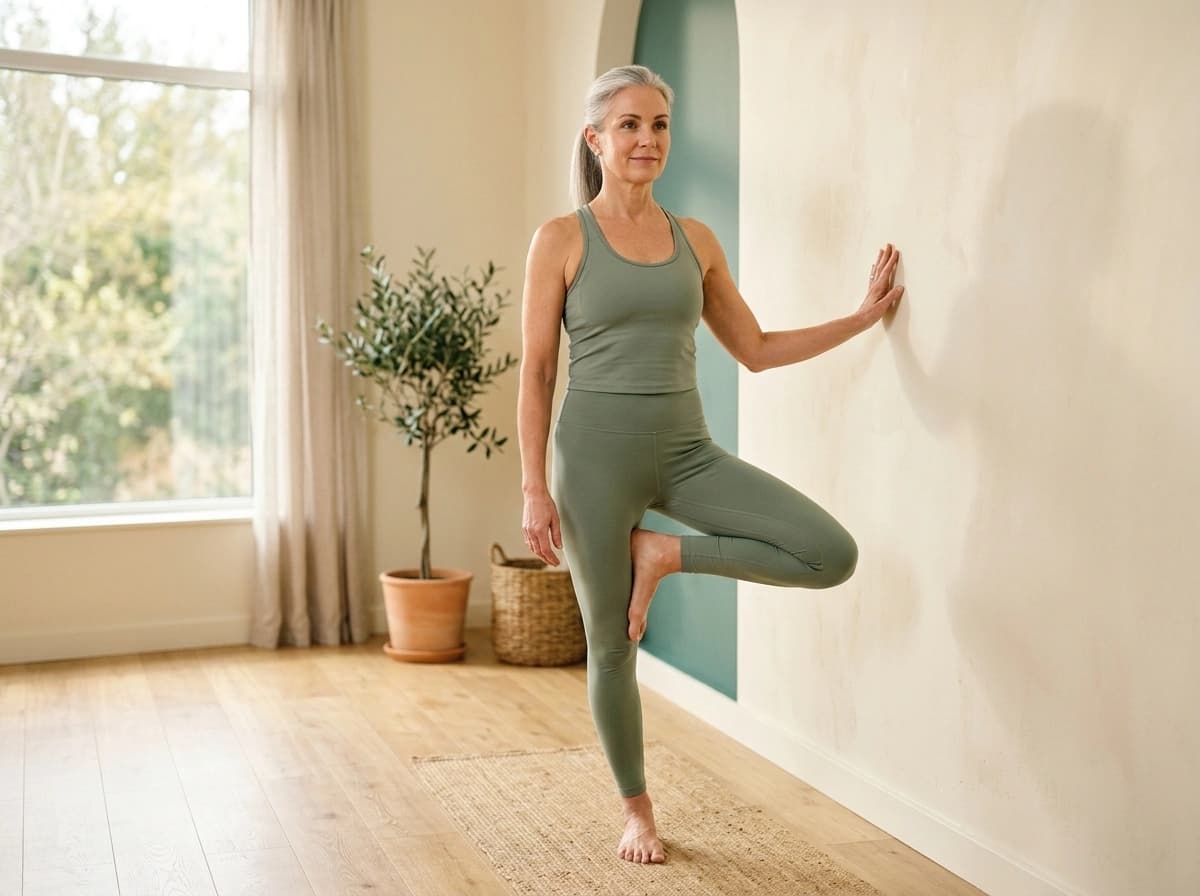
Standing Balance Builder
Steady, wall-supported balance and leg work — nothing on the floor.
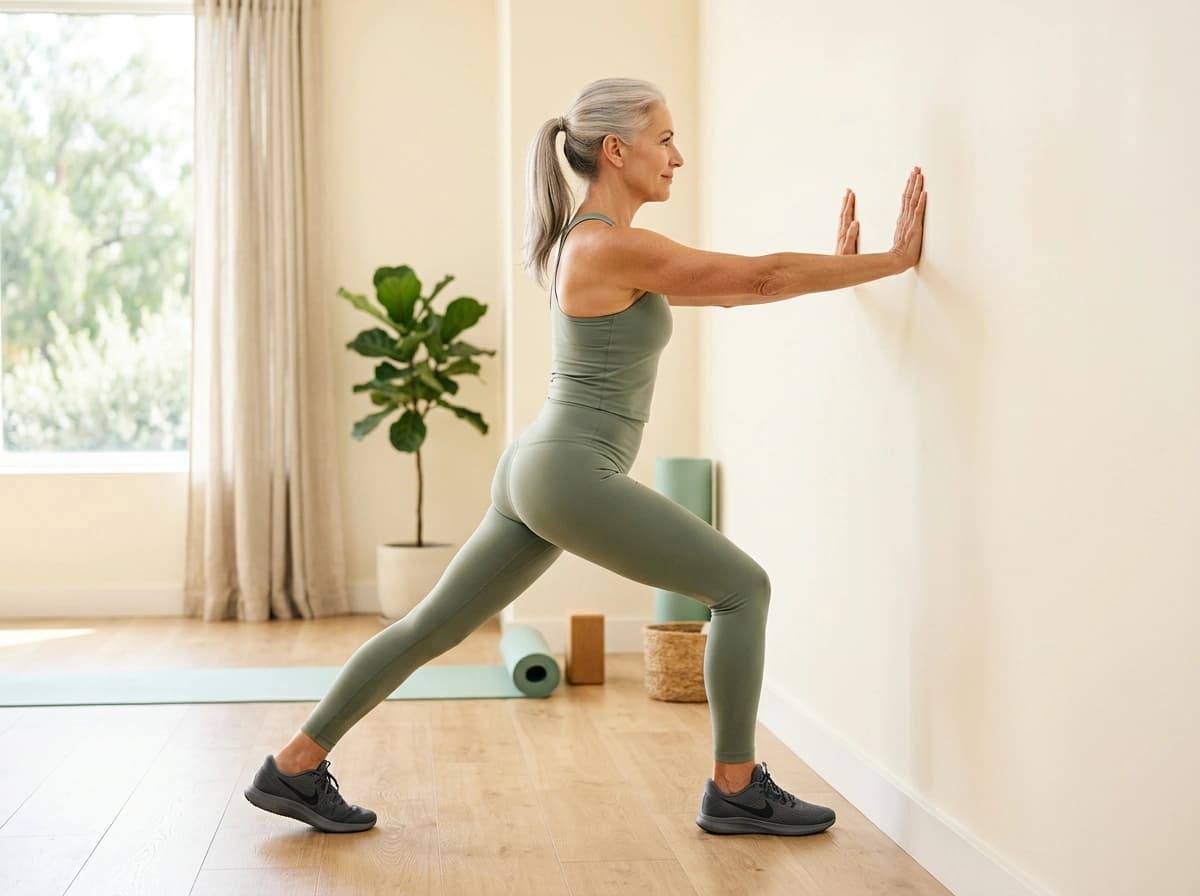
Standing Calves & Ankles
Wall-supported calf and ankle work for confident walking — no mat needed.
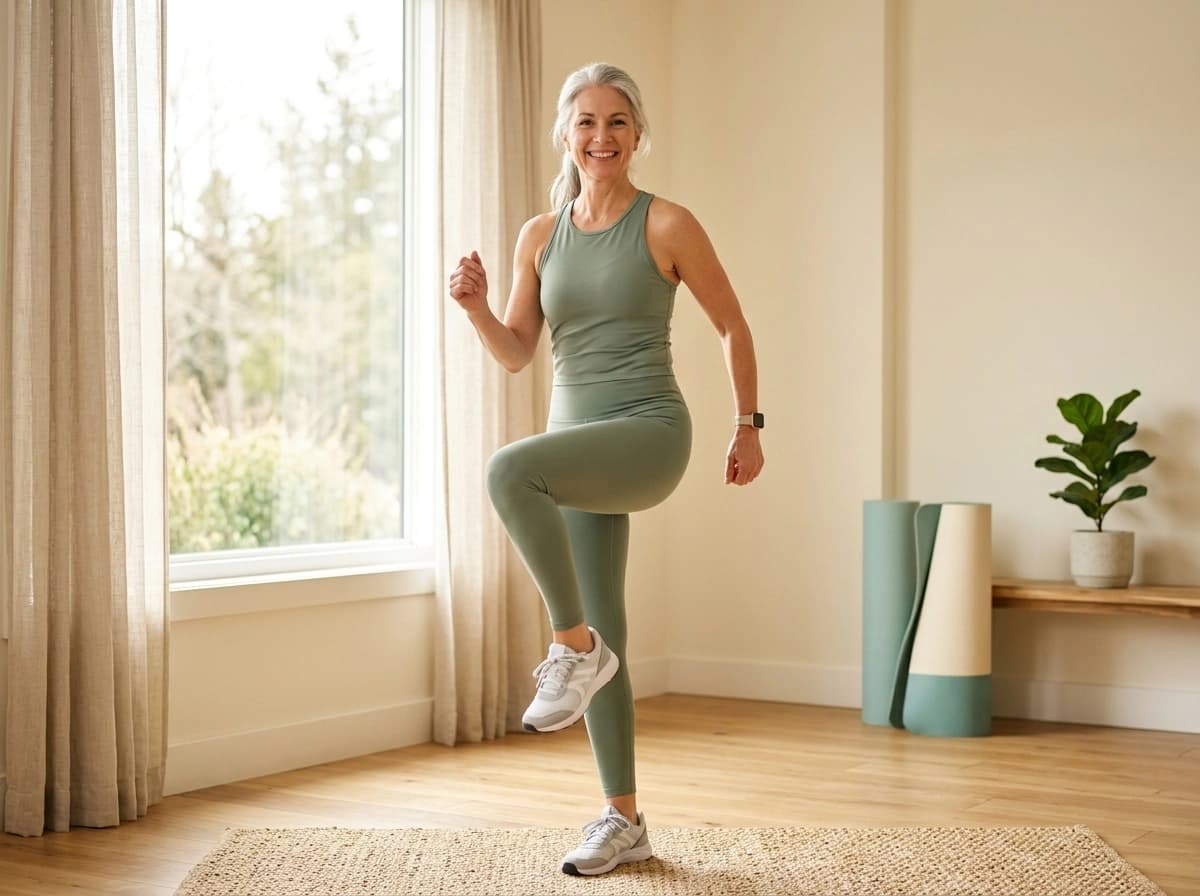
Standing Morning Energizer
A gentle upright wake-up: marching, twists, and back openers to start the day moving.
Related stretches
Keep working the same areas
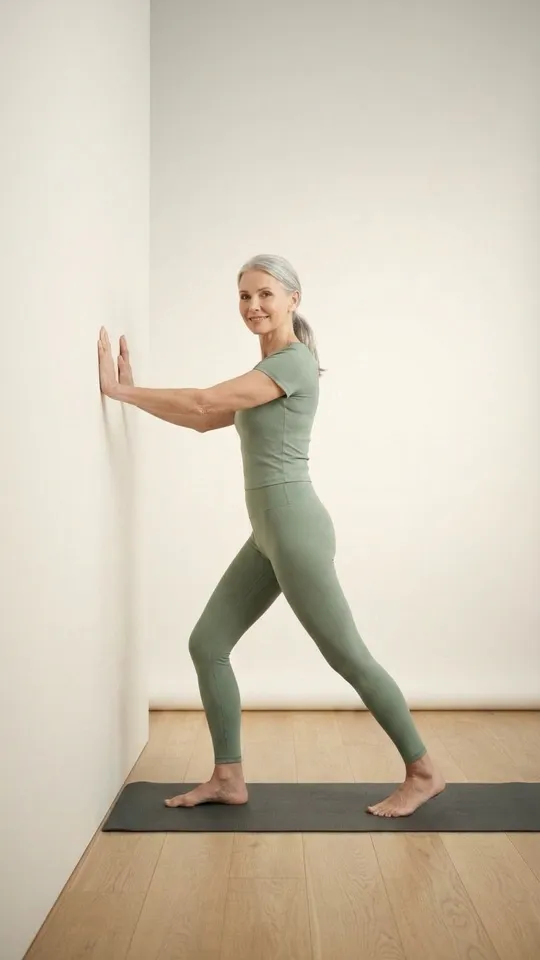
Ankle Knee-to-Wall
Drive one knee toward the wall while keeping the heel planted.
View stretch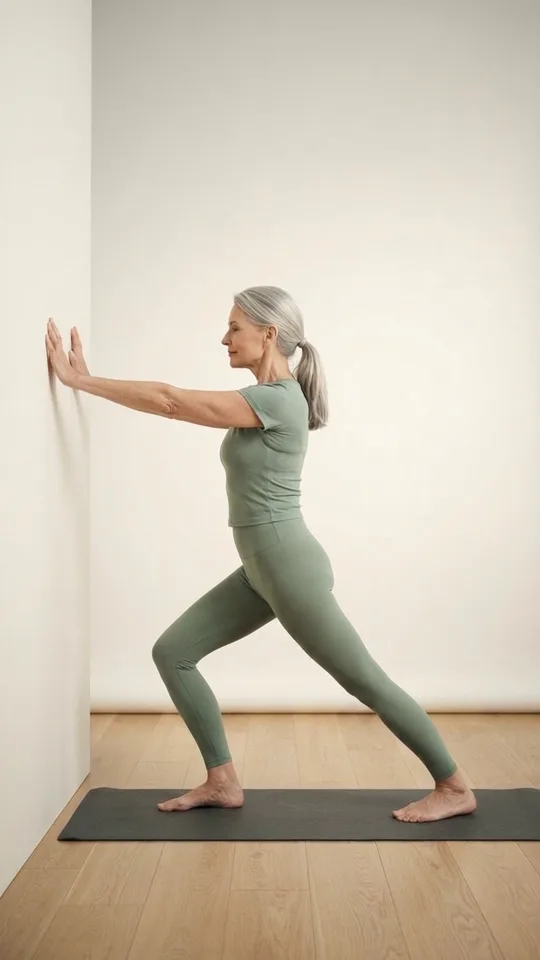
Calf Wall Stretch
Press the back heel down with toes forward and lean into the wall.
View stretch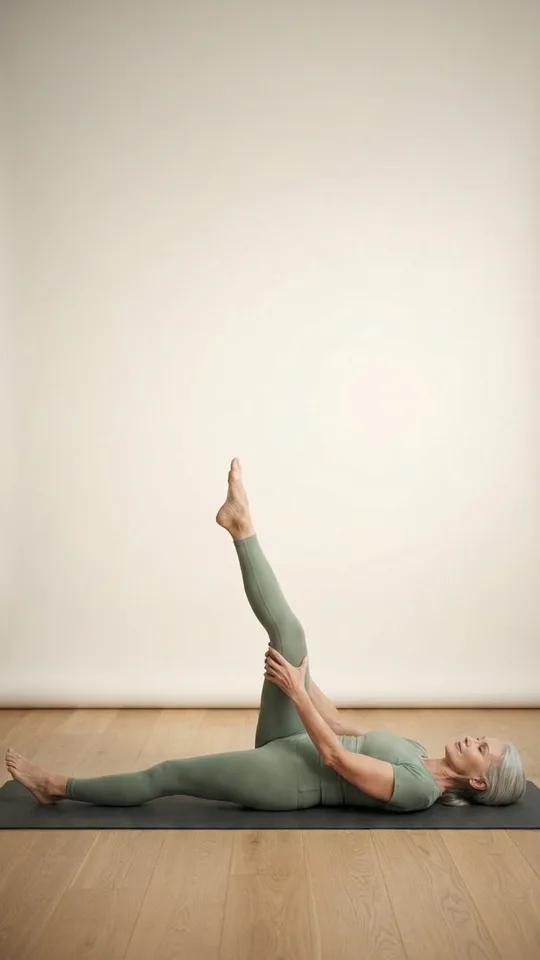
Reclined Ankle Circles
Lie back, lift one leg slightly, and circle the ankle in both directions.
View stretch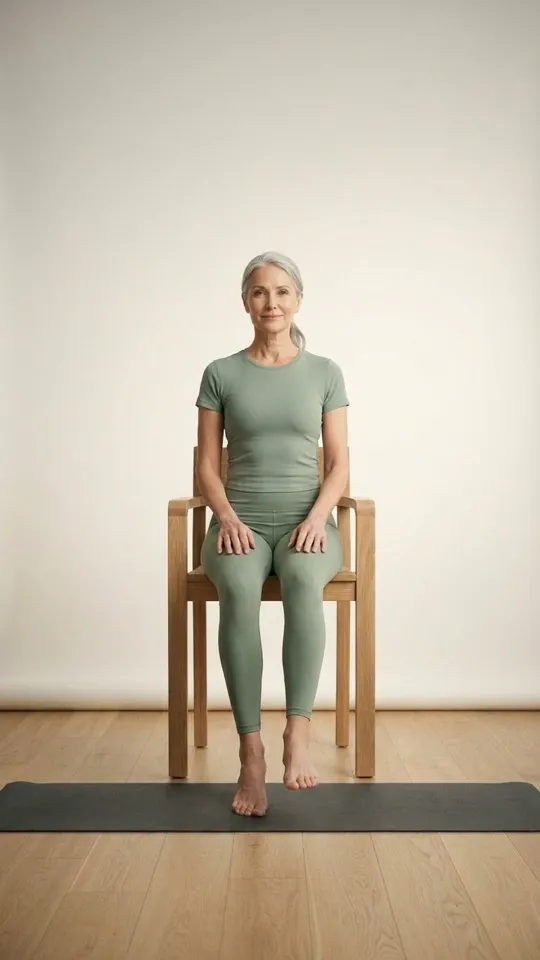
Seated Ankle Circles
Extend one leg slightly and draw slow circles with your foot, both directions, then switch feet.
View stretch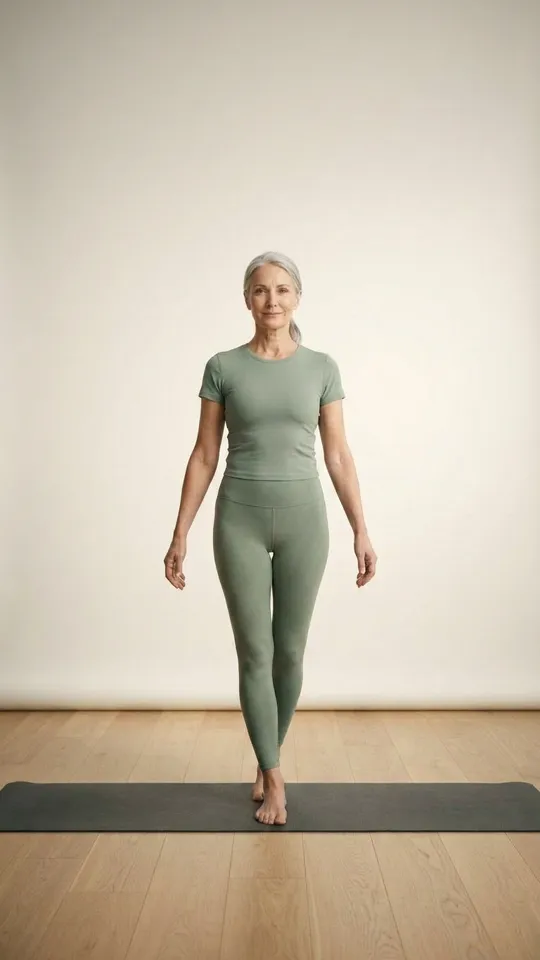
Heel-to-Toe Balance
Place one foot directly in front of the other, heel touching toe, and hold steady. Keep a wall within reach. Switch feet.
View stretch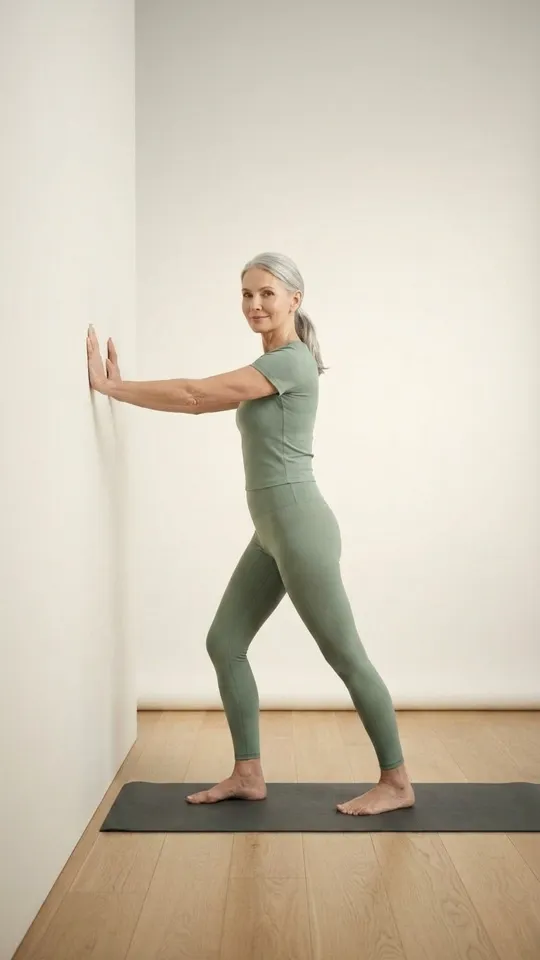
Bent-Knee Calf Stretch
Bend the back knee slightly while keeping the heel down to target the lower calf.
View stretch