
Neck Stretches for Seniors: Gentle Relief for Tension and Stiffness
Gentle neck stretches for seniors and stiff, tight necks. Follow short video demos to ease tension, loosen the upper traps, and improve neck mobility safely.
- 2 guided stretches
- 8 routines
- ~1 min sessions
- No equipment needed
A tight neck responds best to small, slow, pain-free ranges instead of force. These gentle neck stretches pair light side bends and relaxed shoulders with steady breathing to release upper-trap tension from screens, reading, and sleeping awkwardly. Keep every movement easy, and stop if you feel dizziness, tingling, or pain down the arm.
Standing Roll Down
Stretches
Best neck stretches
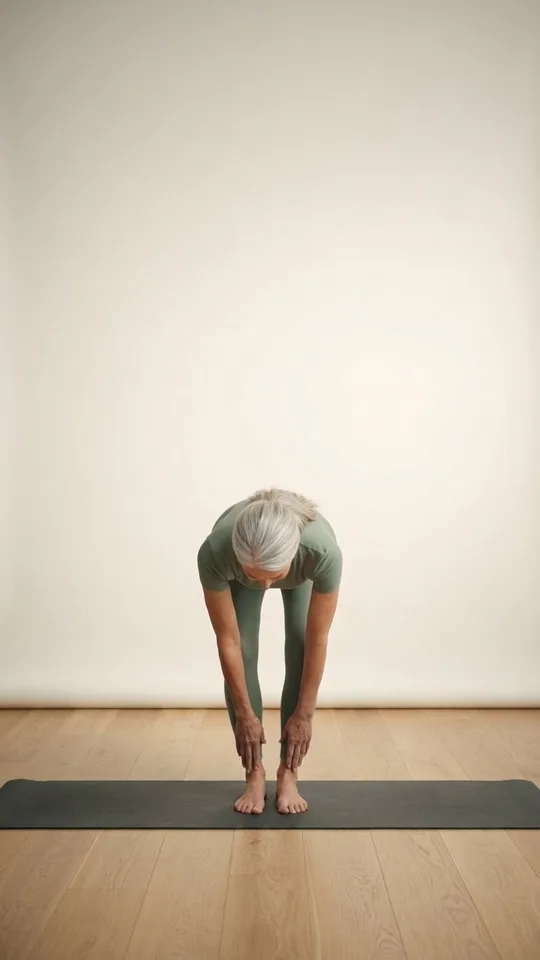
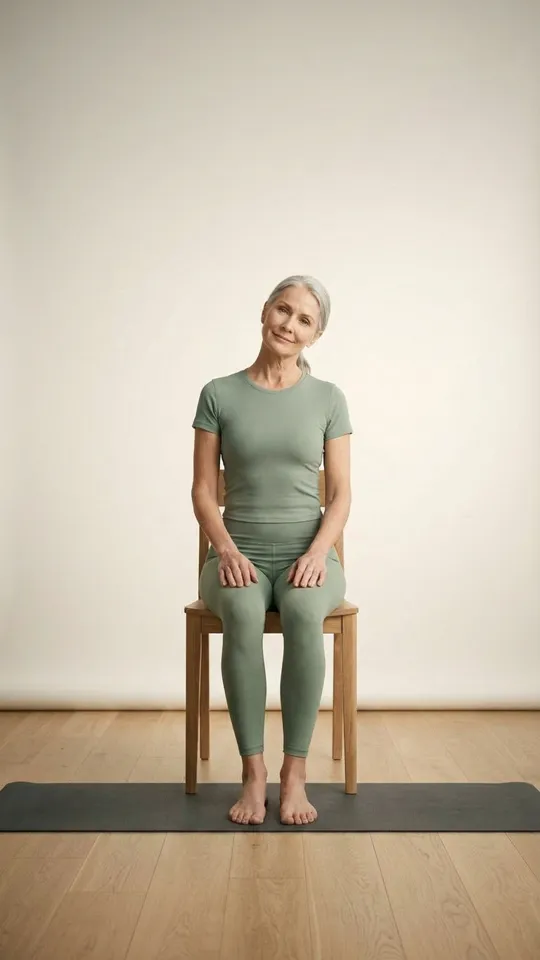
Routines
Guided routines that include this area
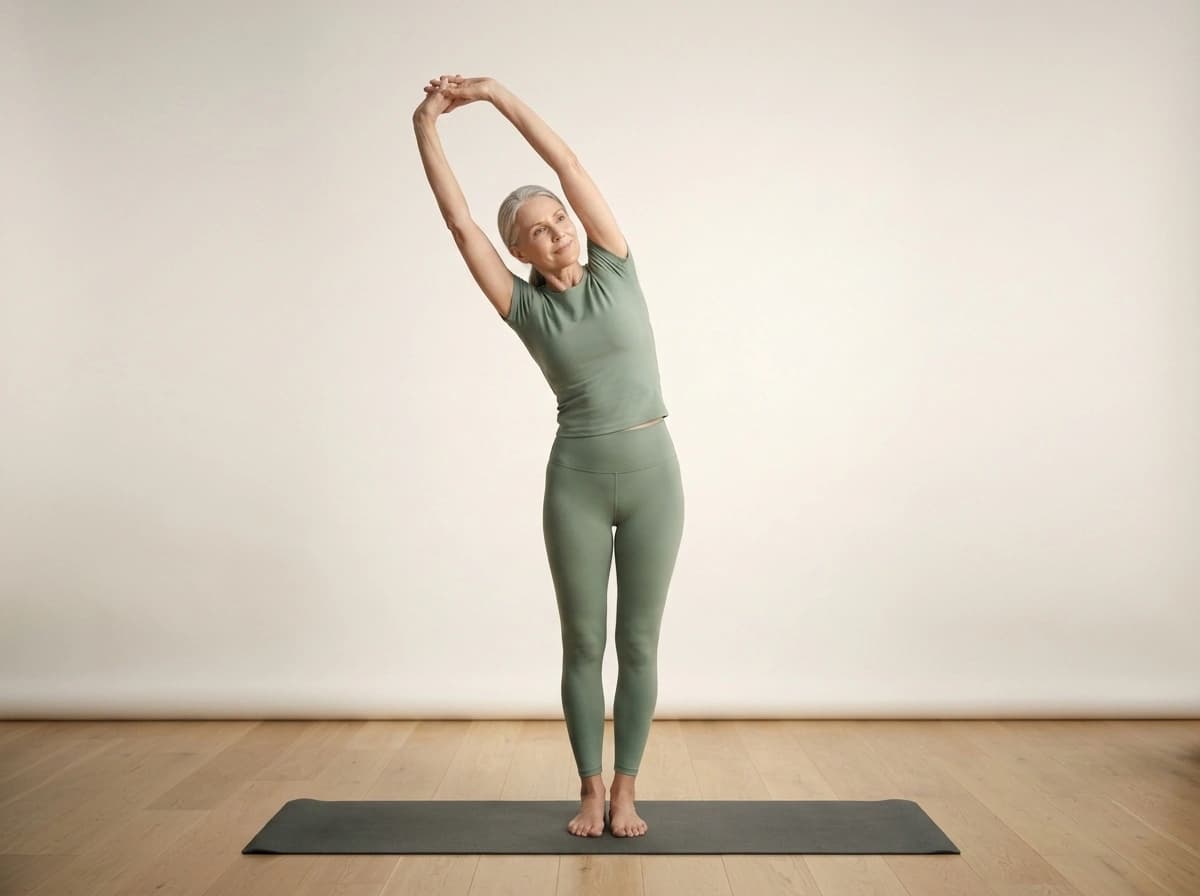
Morning Mobility
A gentle wake-up flow for hips, spine, shoulders, and breath before the day starts.
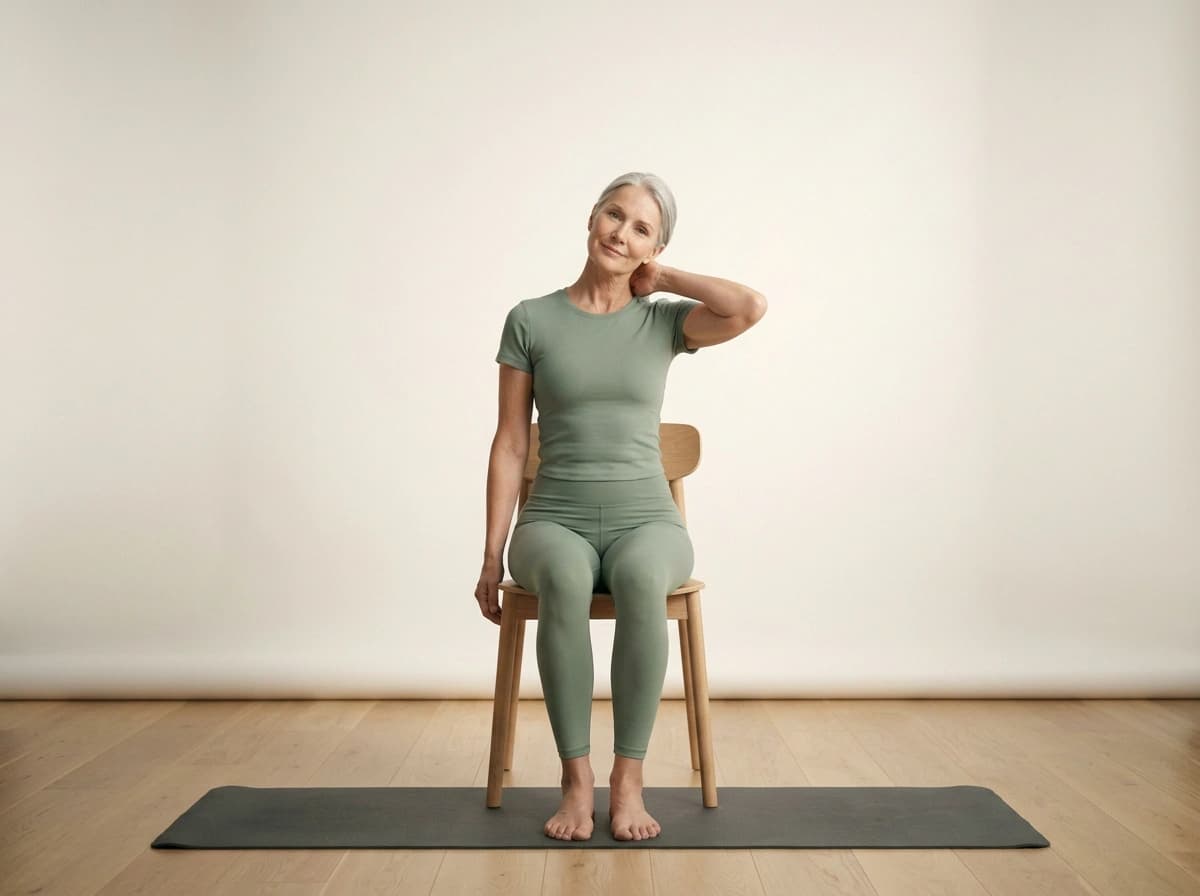
Desk Reset
A short mobility break for neck, wrists, chest, and hips after long sitting sessions.
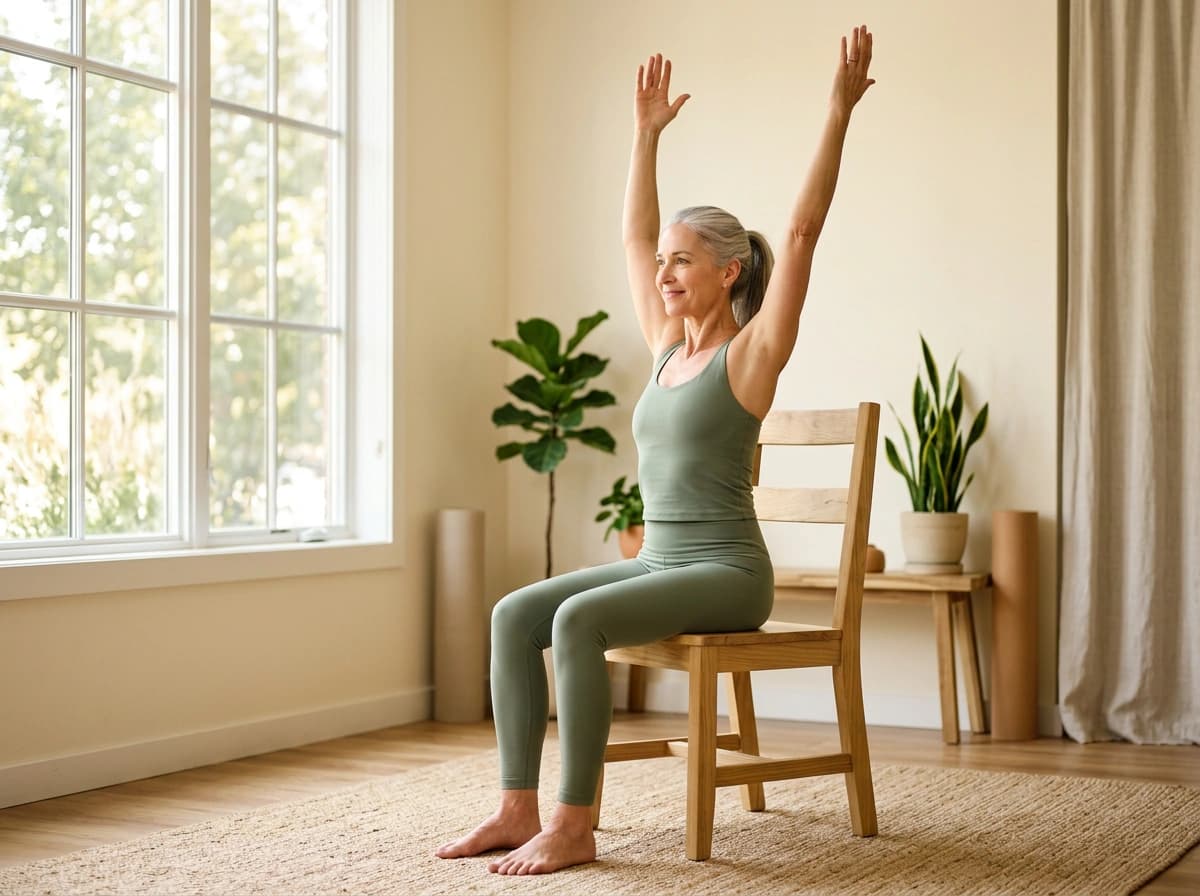
Chair Morning Wake-Up
A gentle seated wake-up for the spine, shoulders, and circulation — all from a sturdy chair.

Chair Neck & Shoulder Relief
Seated release for tight necks, shoulders, and wrists — ideal after reading or screen time.
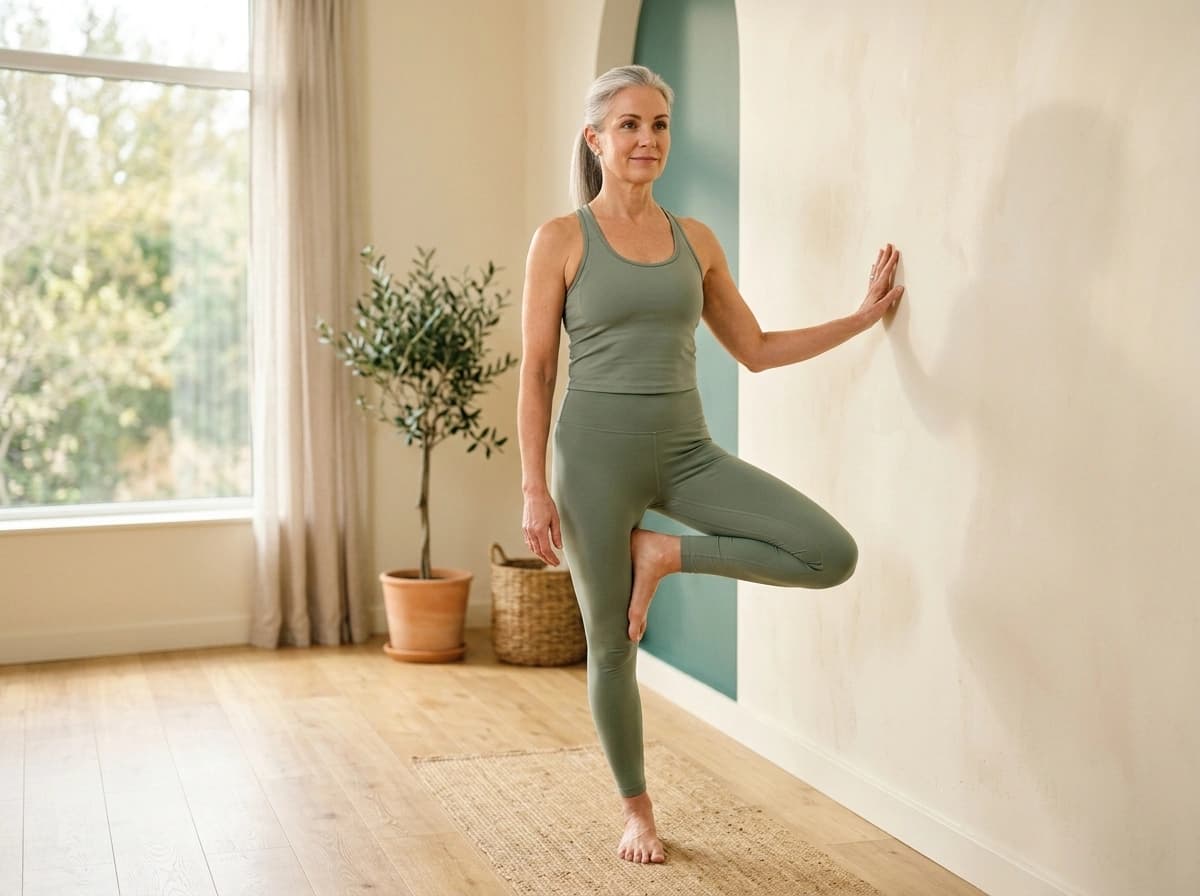
Standing Balance Builder
Steady, wall-supported balance and leg work — nothing on the floor.

Standing Posture Openers
Wall slides, angels, chest openers, and gentle back bends to stand taller — entirely upright.
FAQ
How do you loosen a tight, stiff neck?
Use slow, gentle neck stretches such as a light ear-to-shoulder side bend, a slow turn side to side, and relaxed shoulder rolls. Hold each for 20 to 30 seconds and keep it completely pain-free.
Should you stretch your neck if it hurts?
Only gently. Mild tension is fine to stretch, but stop with sharp pain, dizziness, tingling, or symptoms travelling down the arm, and check with your doctor.
How often should seniors stretch the neck?
A brief 30 to 60 second neck reset once or twice a day is plenty. Light and frequent beats long and forced.
What is the safest neck stretch for older adults?
A supported side-neck release, lowering one ear toward the shoulder with a light hand resting on the head, is one of the safest and most effective options.