
Chest Stretches for Posture and Breathing Room
Doorway, supine, and supported chest openers for rounded shoulders and screen posture.
- 8 guided stretches
- 8 routines
- ~1 min sessions
- No equipment needed
Chest tightness can pull the shoulders forward and make overhead movement feel restricted. Gentle opening work helps the ribs and shoulders move with less strain.
Doorway Chest Opener
Stretches
Best chest stretches
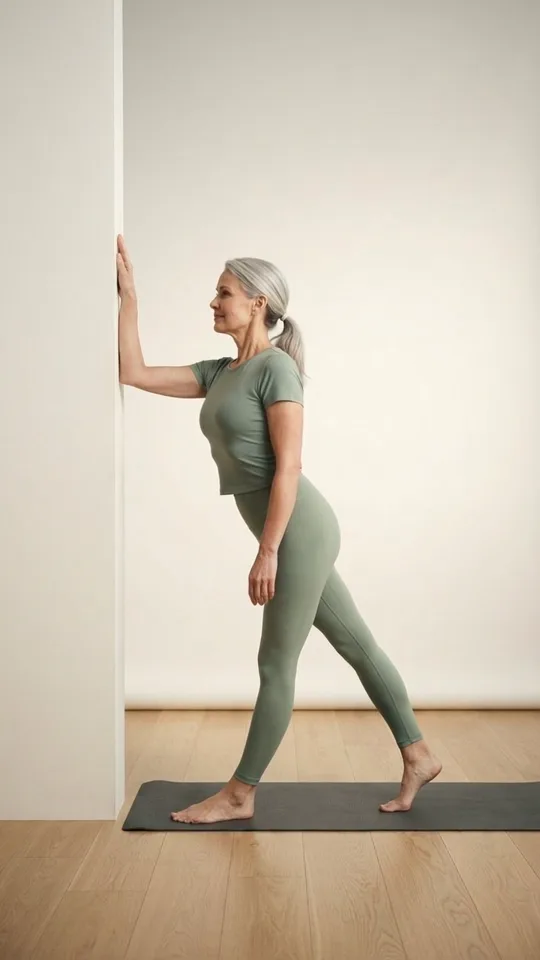
Doorway Chest Opener
Place forearms on a doorway or wall corner, then step through gently until the chest opens.
View steps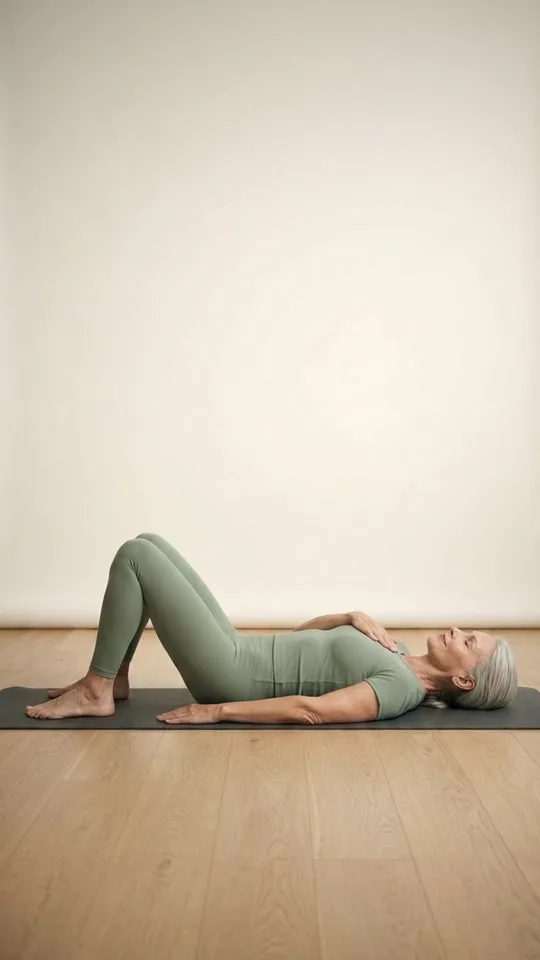
Reclined Breathing
Lie down, place one hand on your ribs, and follow slow nasal breaths.
View steps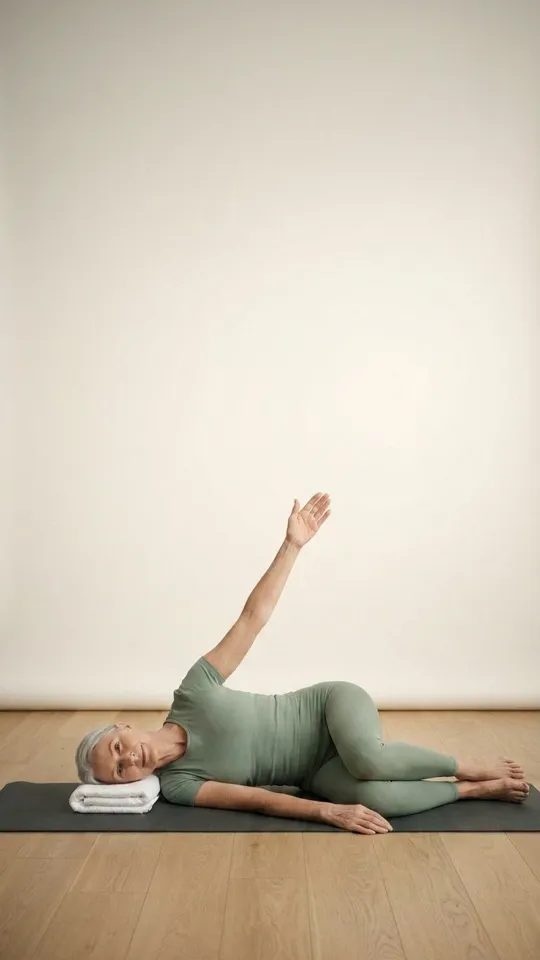
Open Book Rotation
Lie on one side with knees stacked and open the top arm like a book.
View steps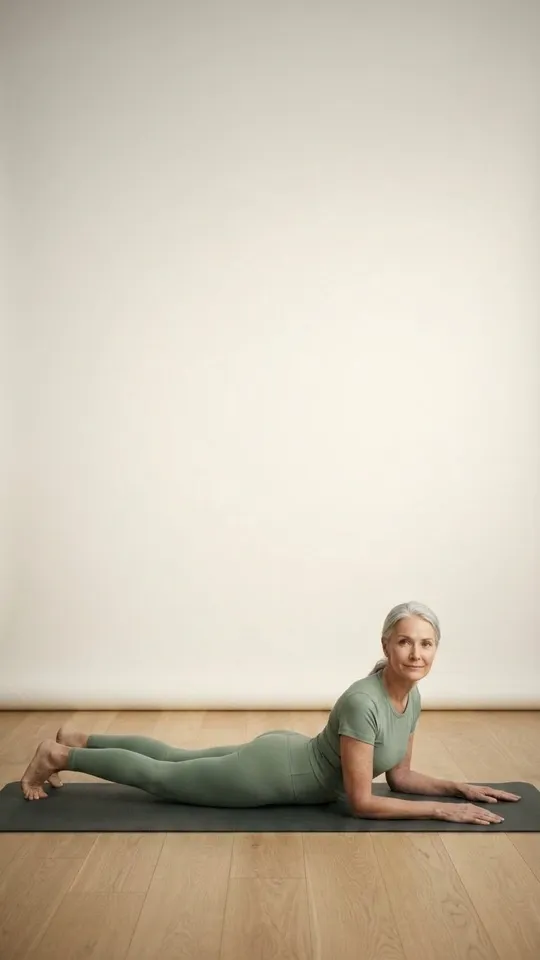
Sphinx Press
Prop onto forearms and gently lengthen the chest forward.
View steps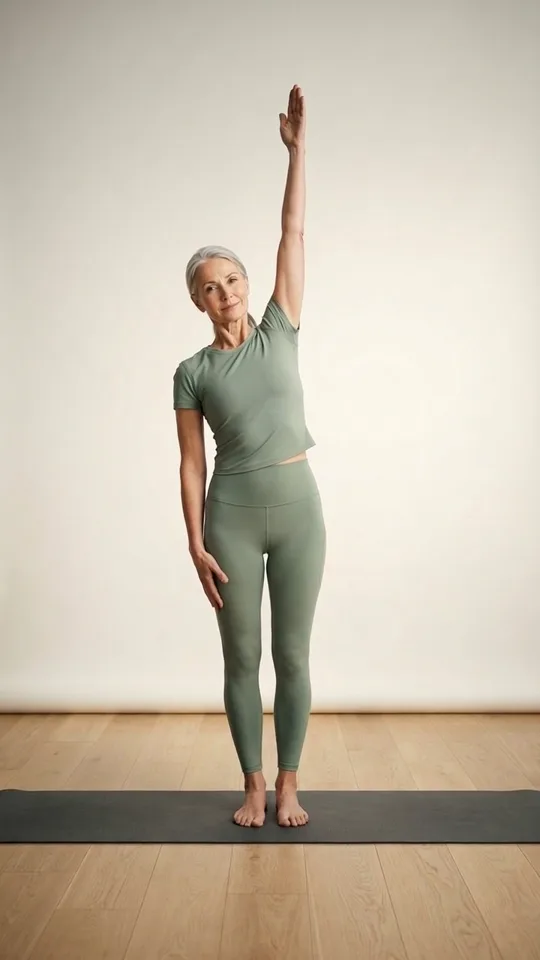
Standing Side Bend
Reach one arm overhead and arc gently to the opposite side.
View steps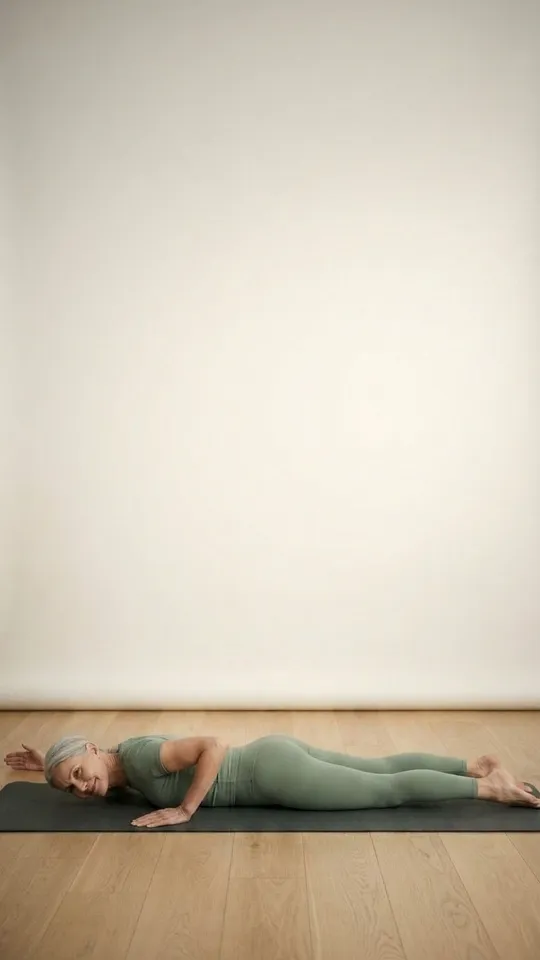
Supine Pec Stretch
Lie face down or slightly rotated with one arm out to the side to open the chest.
View steps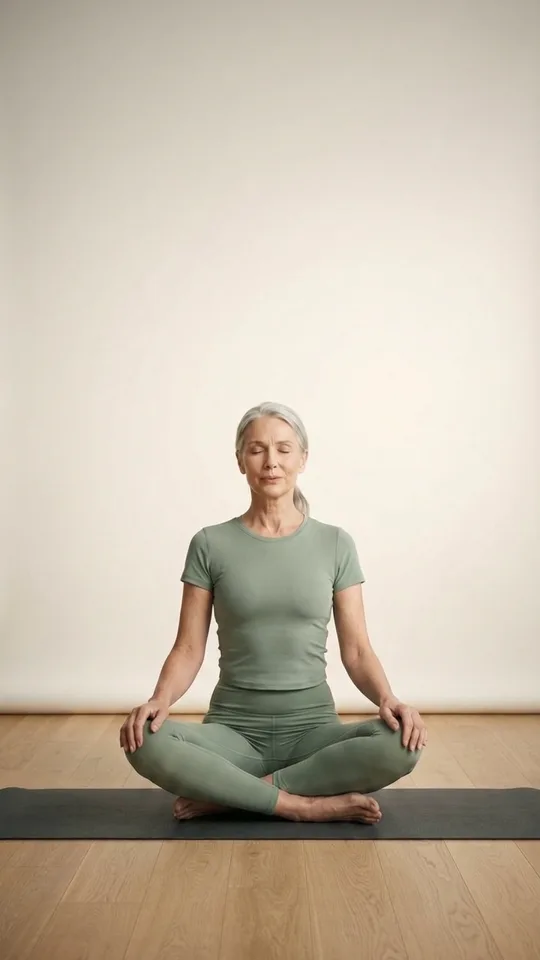
Extended Exhale Breath
Inhale gently through the nose and exhale for a longer, slower count.
View steps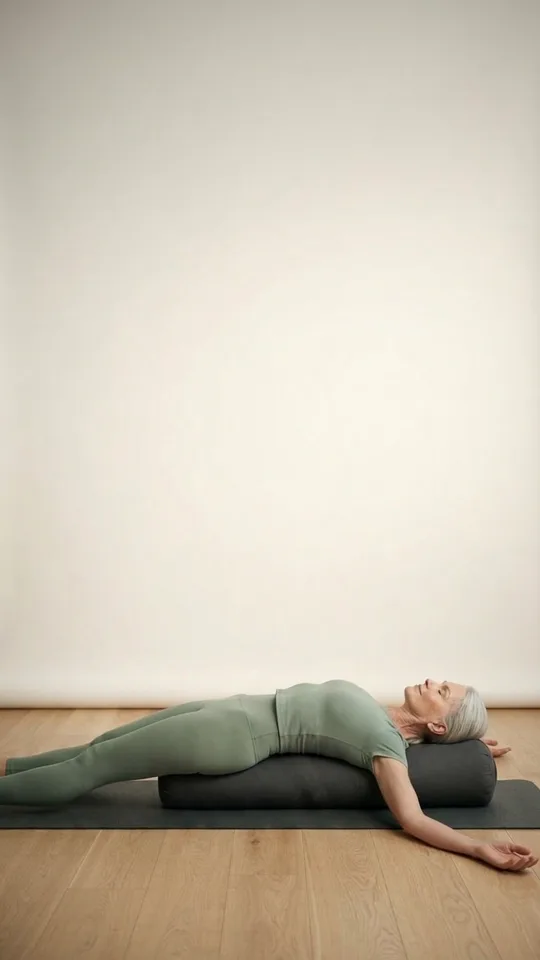
Supported Fish
Lie back over a pillow or bolster and let the chest open.
View stepsRoutines
Guided routines that include this area
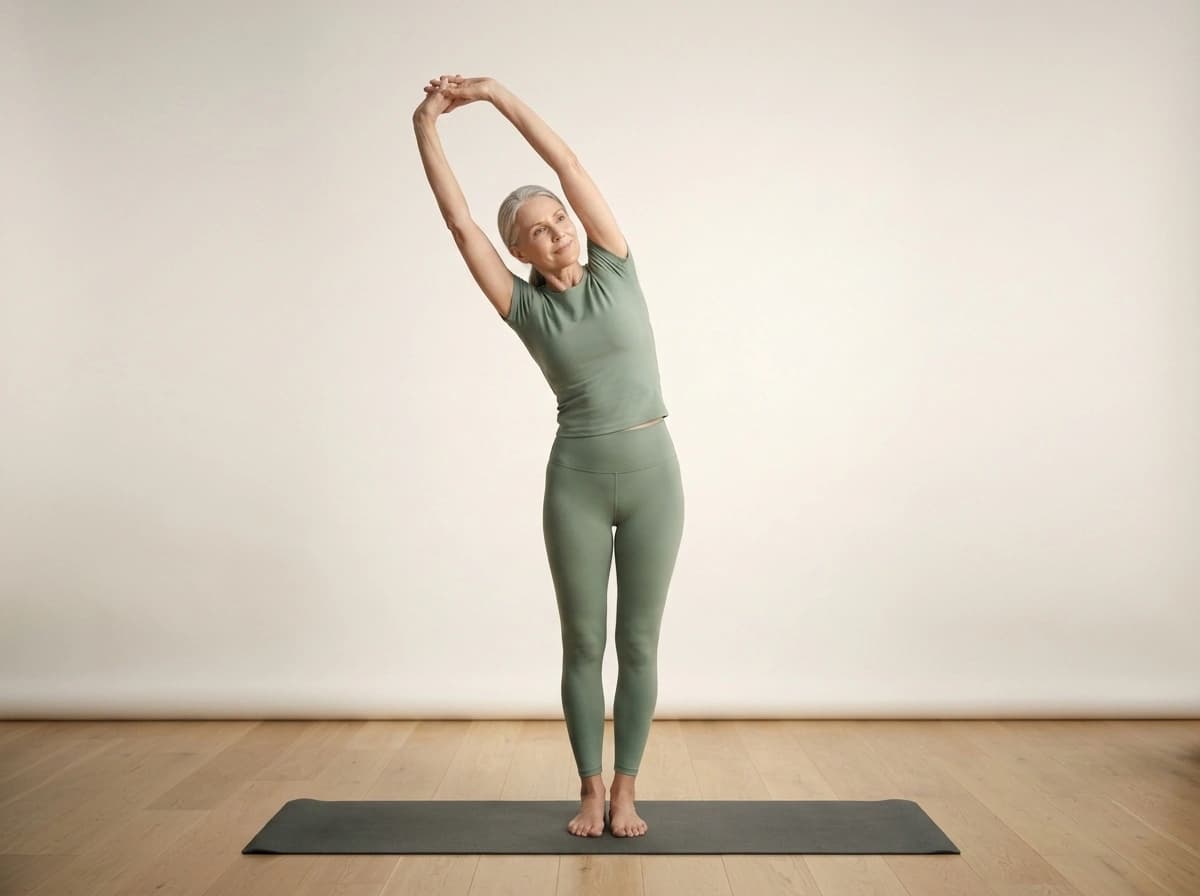
Morning Mobility
A gentle wake-up flow for hips, spine, shoulders, and breath before the day starts.
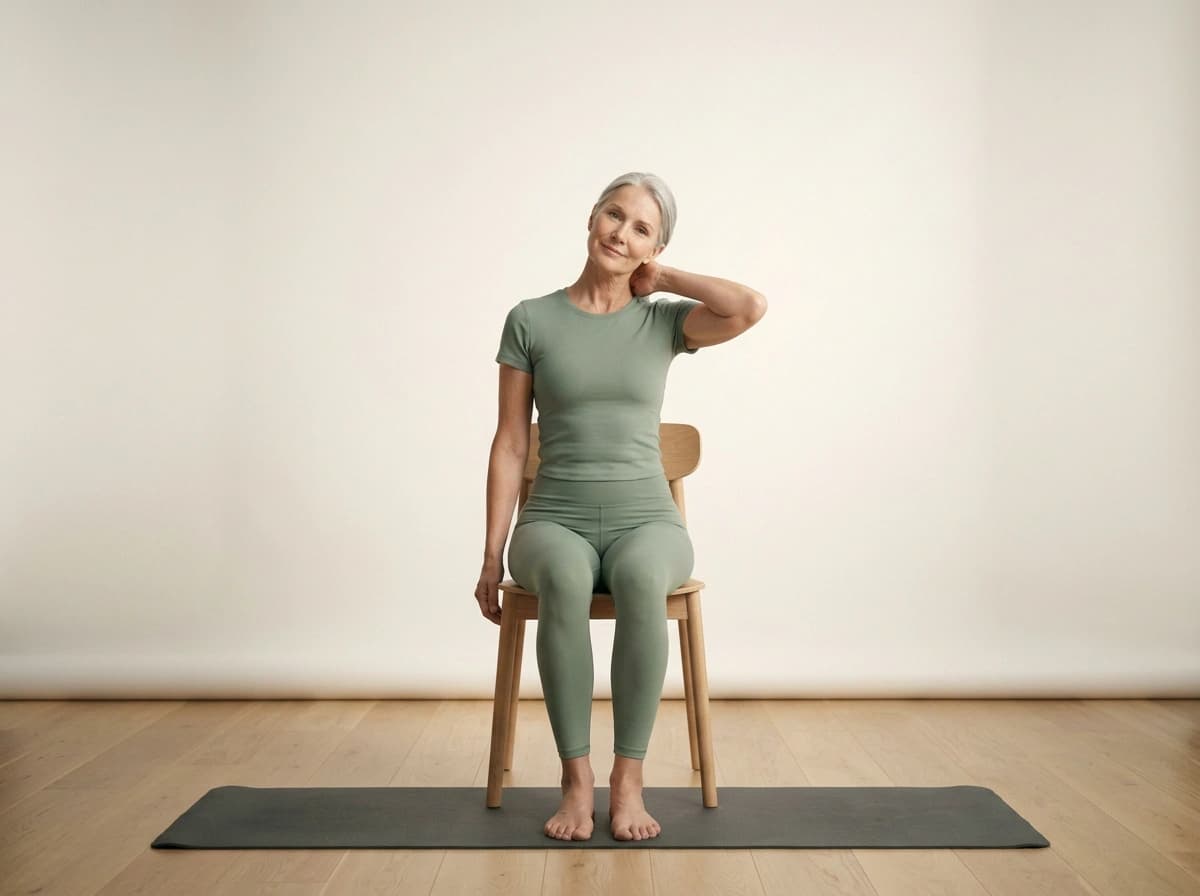
Desk Reset
A short mobility break for neck, wrists, chest, and hips after long sitting sessions.
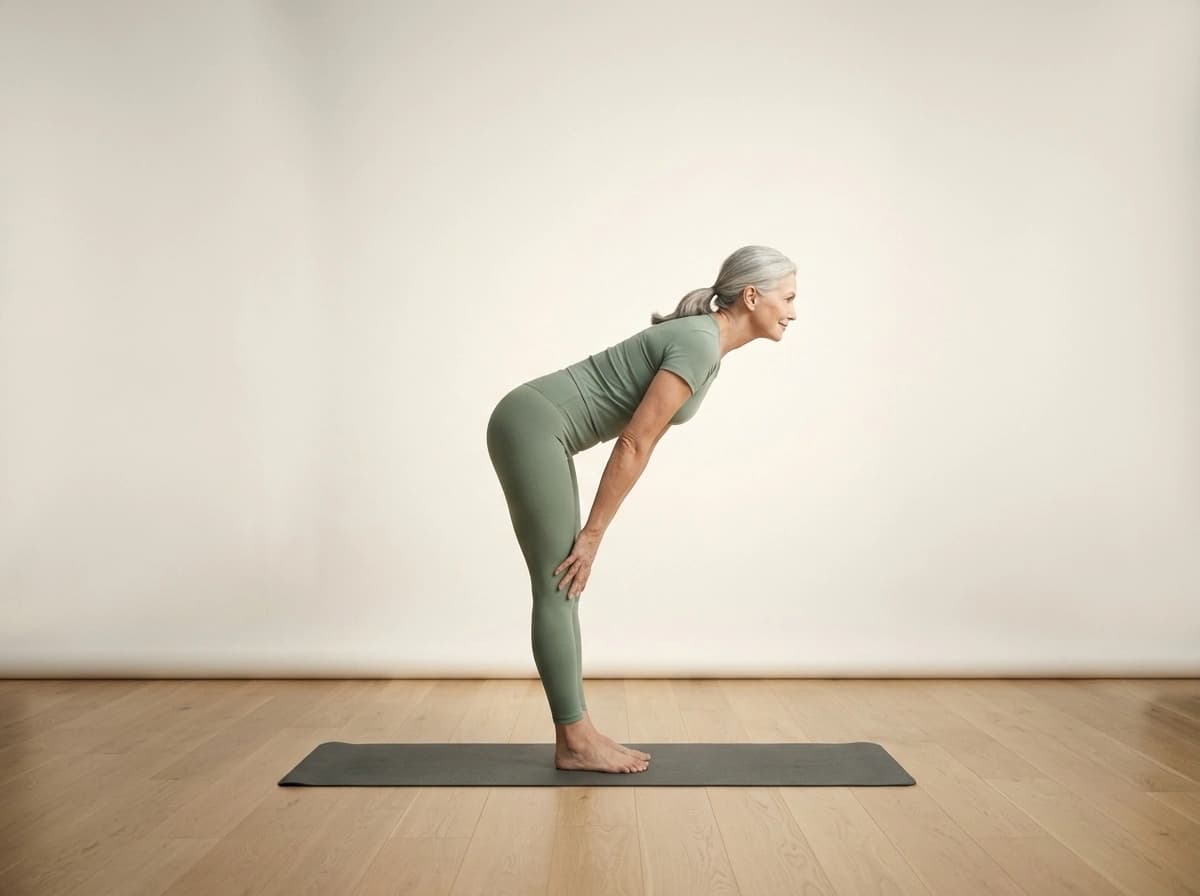
Full Body Flexibility
A balanced routine for hamstrings, hips, shoulders, calves, and the upper back.
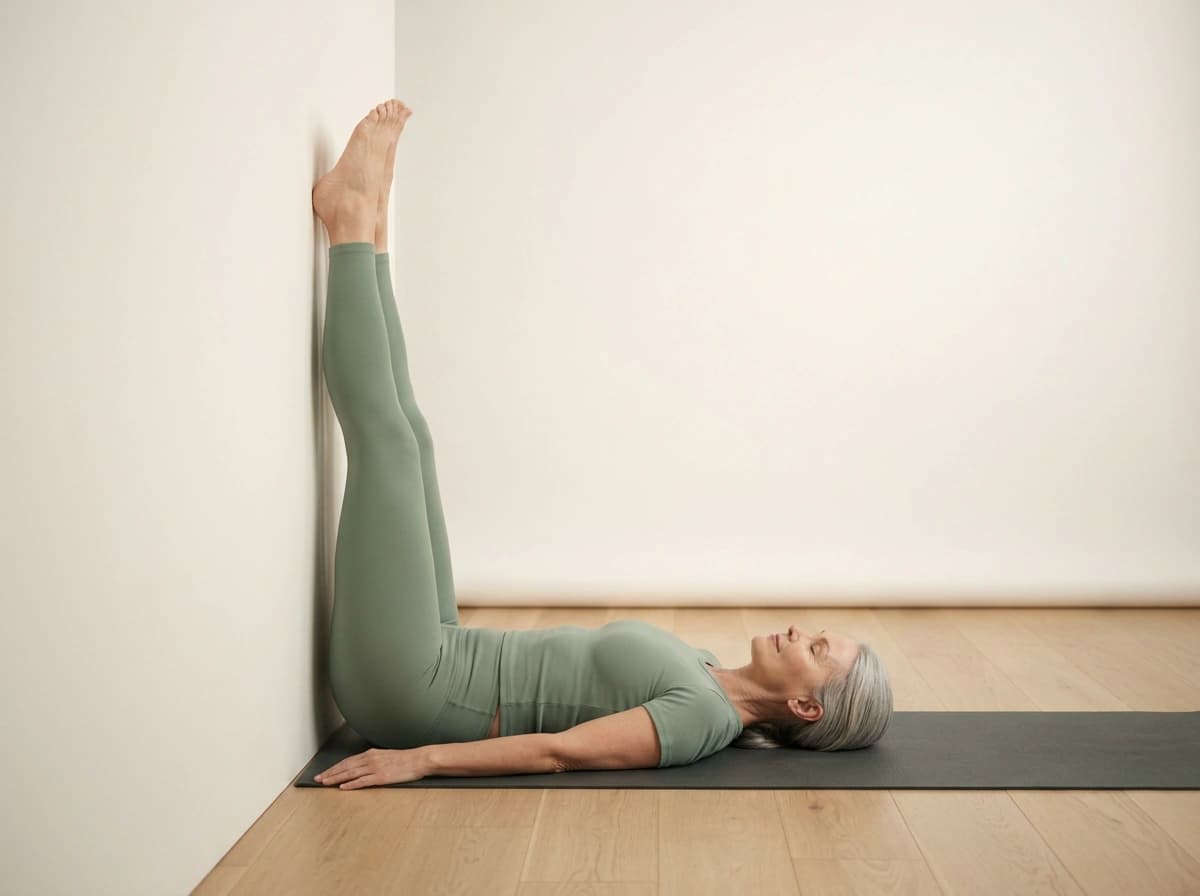
Sleep Wind Down
Slow stretches and longer holds to downshift the nervous system before bed.
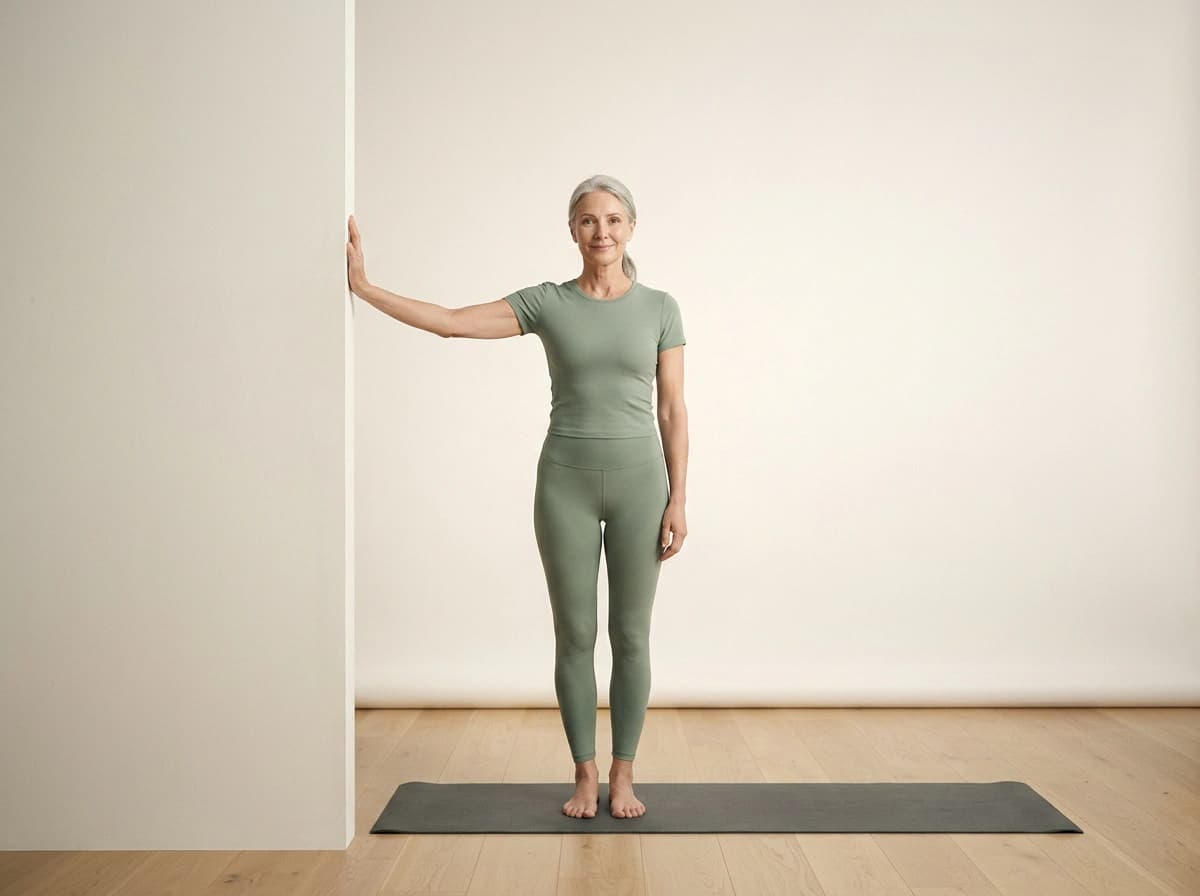
Shoulder Posture Reset
Shoulder, chest, and upper-back mobility for posture and screen fatigue.

Standing Posture Openers
Wall slides, angels, chest openers, and gentle back bends to stand taller — entirely upright.
FAQ
What is the easiest chest stretch?
A doorway chest opener or supported fish is a good starting point because you can control the angle and intensity.
Can chest stretches help posture?
They can make upright positions feel easier, especially when paired with upper-back mobility and shoulder control.