
Animated stretch preview.
Open Book Rotation
Step-by-step instructions
- 1Set up in a stable position with enough space to move slowly and breathe comfortably.
- 2Lie on one side with knees stacked and open the top arm like a book.
- 3Follow your hand with your eyes if it feels good. Keep the knees heavy so the twist stays in the upper back.
- 4Hold the stretch for about 30 seconds while breathing slowly, then release gradually and notice how thoracic spine feels before repeating or switching sides.
Follow your hand with your eyes if it feels good. Keep the knees heavy so the twist stays in the upper back.
Focus areas
Description
Adult doing open book thoracic rotation on side, clear mat-based mobility image.
Benefits
- A focused thoracic spine stretch that gently opens thoracic spine and chest through a clear, repeatable setup you can groove in minutes.
- Restores gentle movement through the spine without forcing end range.
- Builds everyday mobility in the thoracic spine, so reaching, posture, and daily movement start to feel easier and less restricted.
- Slots into short routines — the working time is about 1 minute, perfect for a warm-up, a desk break, or a cooldown.
Tips for a better stretch
- Breathe slow and steady, and ease off the range the moment thoracic spine starts to guard or grip.
- Use a wall, chair, strap, block, pillow, or towel if a little support makes the position calmer.
- Keep chest relaxed so the stretch stays a release instead of turning into a bracing exercise.
- Aim for a clear but comfortable stretch you could hold and breathe through, not a sharp or maximal pull.
Common mistakes to avoid
- Moving quickly instead of letting each segment and breath guide the range.
- Bouncing, yanking, or trying to force the stretch to feel intense right away.
- Holding your breath or tensing the jaw, hands, and belly while you stretch.
- Ignoring numbness, tingling, dizziness, sharp pain, or joint pinching instead of backing off.
When to skip or modify
- Skip or modify this stretch if it reproduces sharp pain, numbness, tingling, dizziness, or symptoms that travel away from the stretched area.
- Get qualified medical guidance before stretching around recent injuries, surgery, unexplained swelling, severe pain, or diagnosed conditions that limit movement.
FAQ
Open Book Rotation questions
How do you do the Open Book Rotation?
Lie on one side with knees stacked and open the top arm like a book. Follow your hand with your eyes if it feels good. Keep the knees heavy so the twist stays in the upper back. Hold for about 30 seconds, breathing slowly, then release and repeat or switch sides.
What does the Open Book Rotation stretch?
It mainly targets the thoracic spine and chest. Restores gentle movement through the spine without forcing end range.
How long should I hold the Open Book Rotation?
Hold for roughly 30 seconds per side while breathing slowly, and repeat two or three times only while it stays comfortable and pain-free.
Is the Open Book Rotation safe for seniors and beginners?
Yes, when it is done gently. Keep the range small, use a wall, chair, strap, or towel for support, and stop if you feel sharp pain, numbness, tingling, or dizziness.
How often can I do the Open Book Rotation?
Most people can do this thoracic spine stretch daily as long as it stays comfortable. A short session once or twice a day is plenty for steady progress.
Programs
Programs with Open Book Rotation
Related stretches
Keep working the same areas
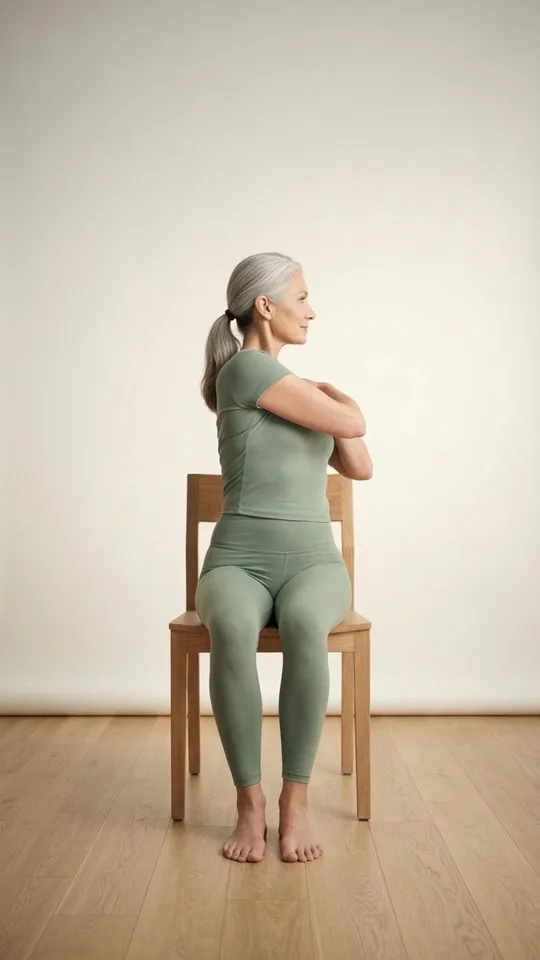
Seated Thoracic Rotation
Sit tall in a chair, cross your arms over your chest, and slowly rotate your upper body to each side.
View stretch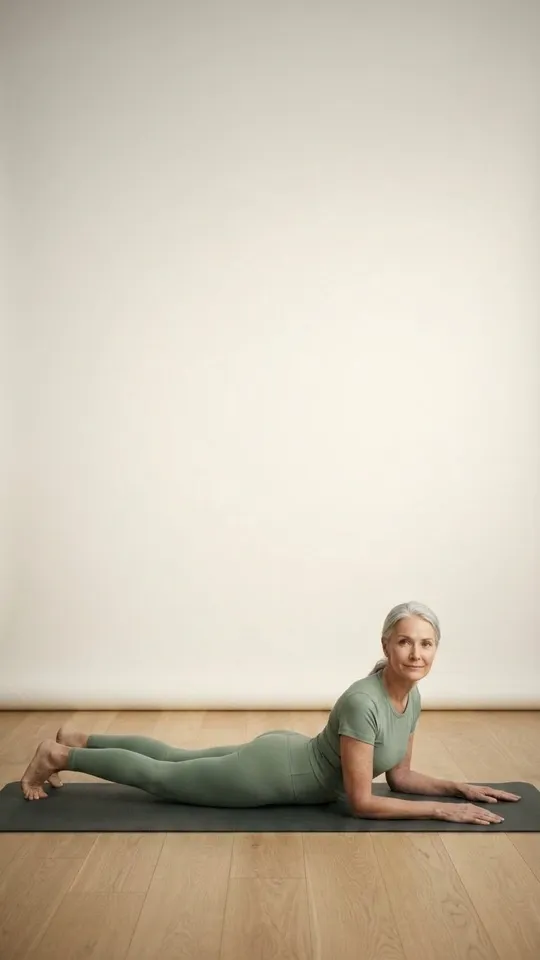
Sphinx Press
Prop onto forearms and gently lengthen the chest forward.
View stretch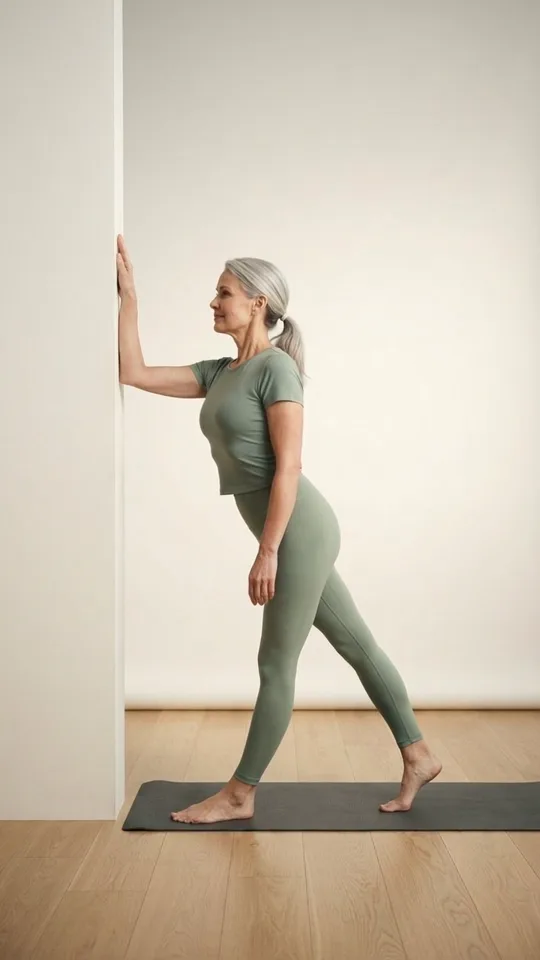
Doorway Chest Opener
Place forearms on a doorway or wall corner, then step through gently until the chest opens.
View stretch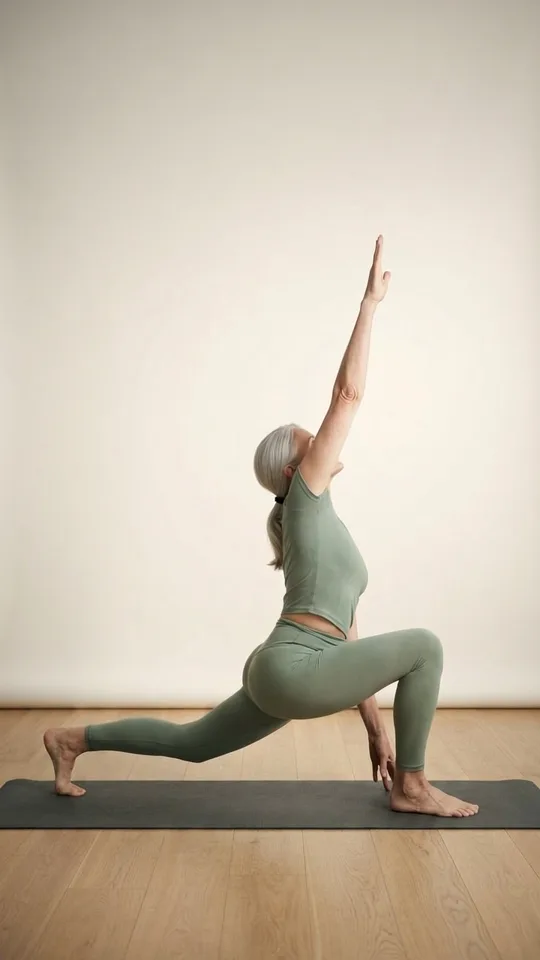
World's Greatest Stretch
Move from lunge to elbow drop to open rotation, staying controlled through each position.
View stretch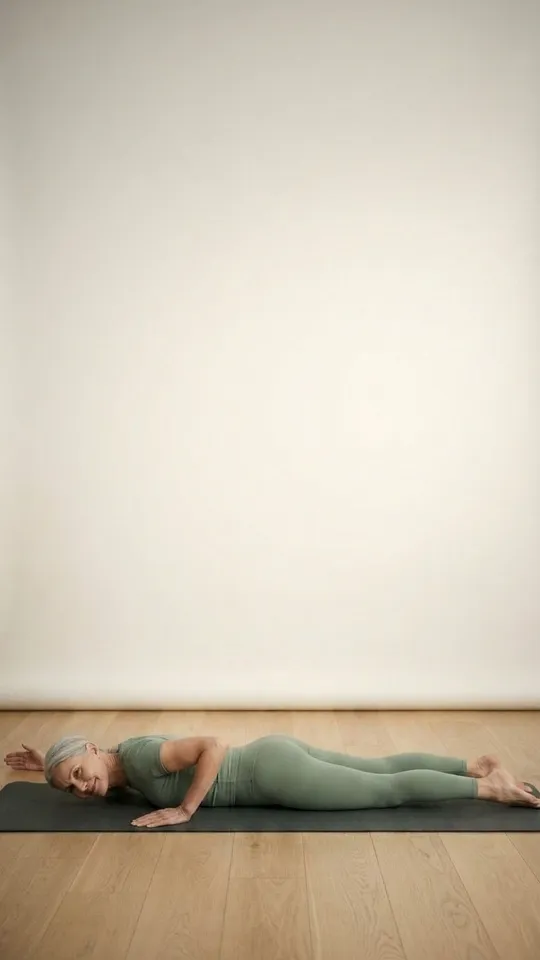
Supine Pec Stretch
Lie face down or slightly rotated with one arm out to the side to open the chest.
View stretch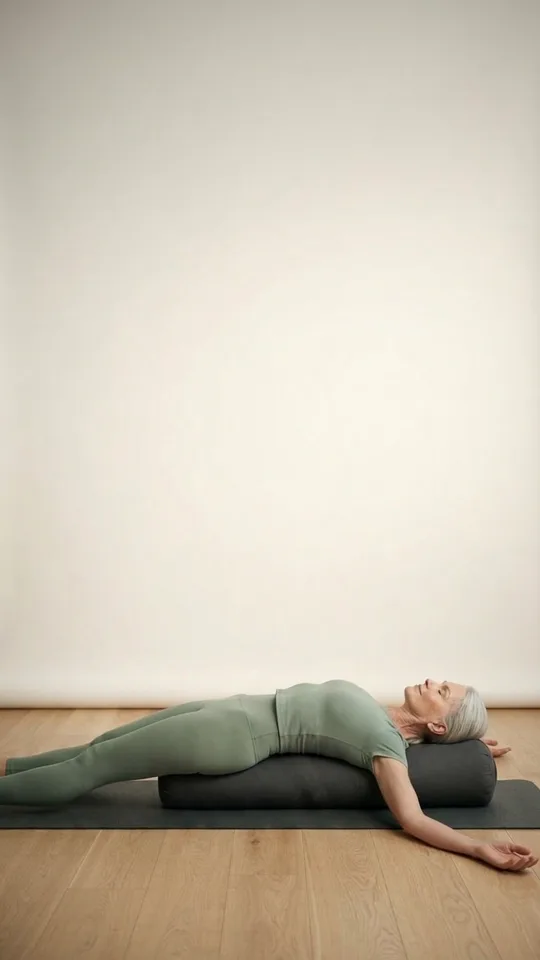
Supported Fish
Lie back over a pillow or bolster and let the chest open.
View stretch